Foundations · Grades K–2
Early literacy, numeracy, communication, curiosity, routines, motor development, and confidence through developmentally appropriate instruction.
Ask about availability ›

Coming soon
Skhillz Virtual Microschool™
A full-time online microschool where a learner is placed by what they can already do, and moves the moment they are ready. The founding cohort is coming soon.
Apply for EnrollmentBook an Enrollment Consultation
Submitting an application begins the placement process. It does not obligate your family to enroll.
Where families start
Perhaps your child needs more flexibility, more challenge, stronger academic support, a calmer learning environment, or a clearer connection between school and real life. Perhaps your family is homeschooling and wants additional structure. Perhaps a traditional schedule no longer fits.
The enrollment conversation begins with those realities. We look at grade level, academic history, strengths, support needs, interests, schedule, technology access, and family goals before recommending a pathway.

Grade-level pathways
Display and enrollment depend on which grade bands are currently operational.
Early literacy, numeracy, communication, curiosity, routines, motor development, and confidence through developmentally appropriate instruction.
Ask about availability ›Reading, writing, mathematics, science, social studies, independence, digital citizenship, and explaining what they are learning.
Ask about availability ›Deeper academic skills, high school readiness, stronger study habits, interest exploration, and career connections.
Ask about availability ›A planned pathway connected to graduation requirements, postsecondary goals, credentials, and adult readiness.
Ask about availability ›Enrollment
Your child, current grade, school history, learning needs, goals, and preferred start.
We review the program, answer questions, and identify any records or assessment needed.
The team reviews fit, grade availability, academic information, support needs, and capacity.
Accepted families receive program details, tuition, start information, and required agreements.
Final documents, portal access, orientation, and preparation for the student's start.
Tuition and records
Questions
Not yet. The founding cohort is being prepared and applications will open before it begins. Available grades, start pathways, and capacity are confirmed during enrollment.
No. Applications are reviewed for program fit, grade availability, support needs, and capacity. Families receive an enrollment decision and written next steps.
The learning model may combine live instruction, guided independent work, digital curriculum, projects, and academic coaching. The exact balance depends on the student's pathway and grade level.
Students generally need a reliable computer or appropriate device, dependable internet, a camera, a microphone, and a suitable learning space. Additional software or equipment is identified during onboarding.
Families may submit current plans and evaluation records for review. Skhillz will explain which accommodations and supports can be provided within the selected program. Enrollment does not guarantee that every service in an existing plan can be replicated.
The founding cohort requires a minimum of 10 students. If that minimum is not reached, the enrollment agreement explains the decision date, alternative options, transfer choices, and refund process.
Tuition is $5,000 per year. You can pay in full or in ten monthly payments of $500. There is a one-time $150 registration fee. Materials and technology are included, and a 10% sibling discount is available.
Where we are strict
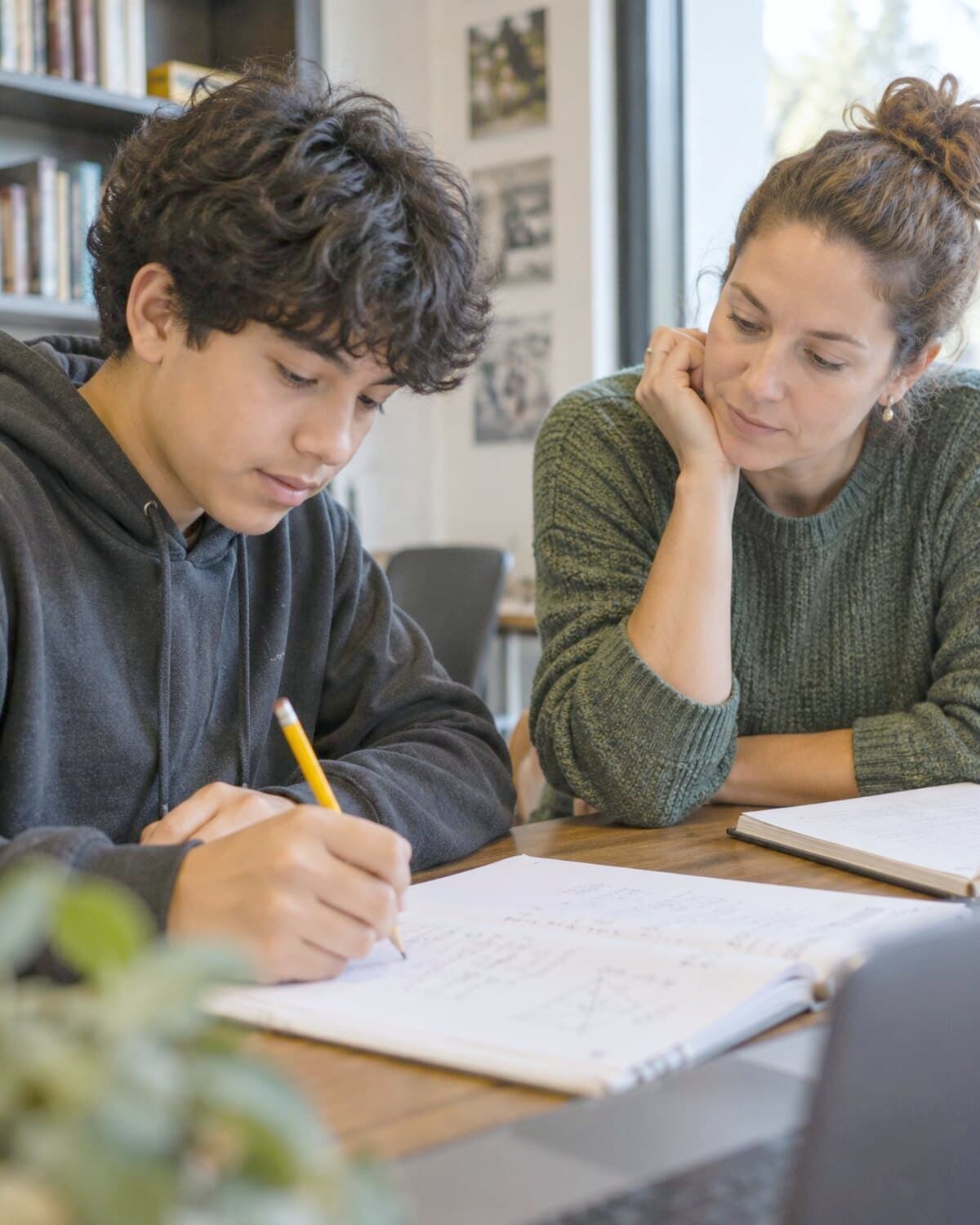
Not by how old they are, and not by where last year left them. A learner moves the moment they are ready, and stays as long as they need.
Full-time, online, and paced to the learner rather than to a calendar somebody else set.



The framework behind the school
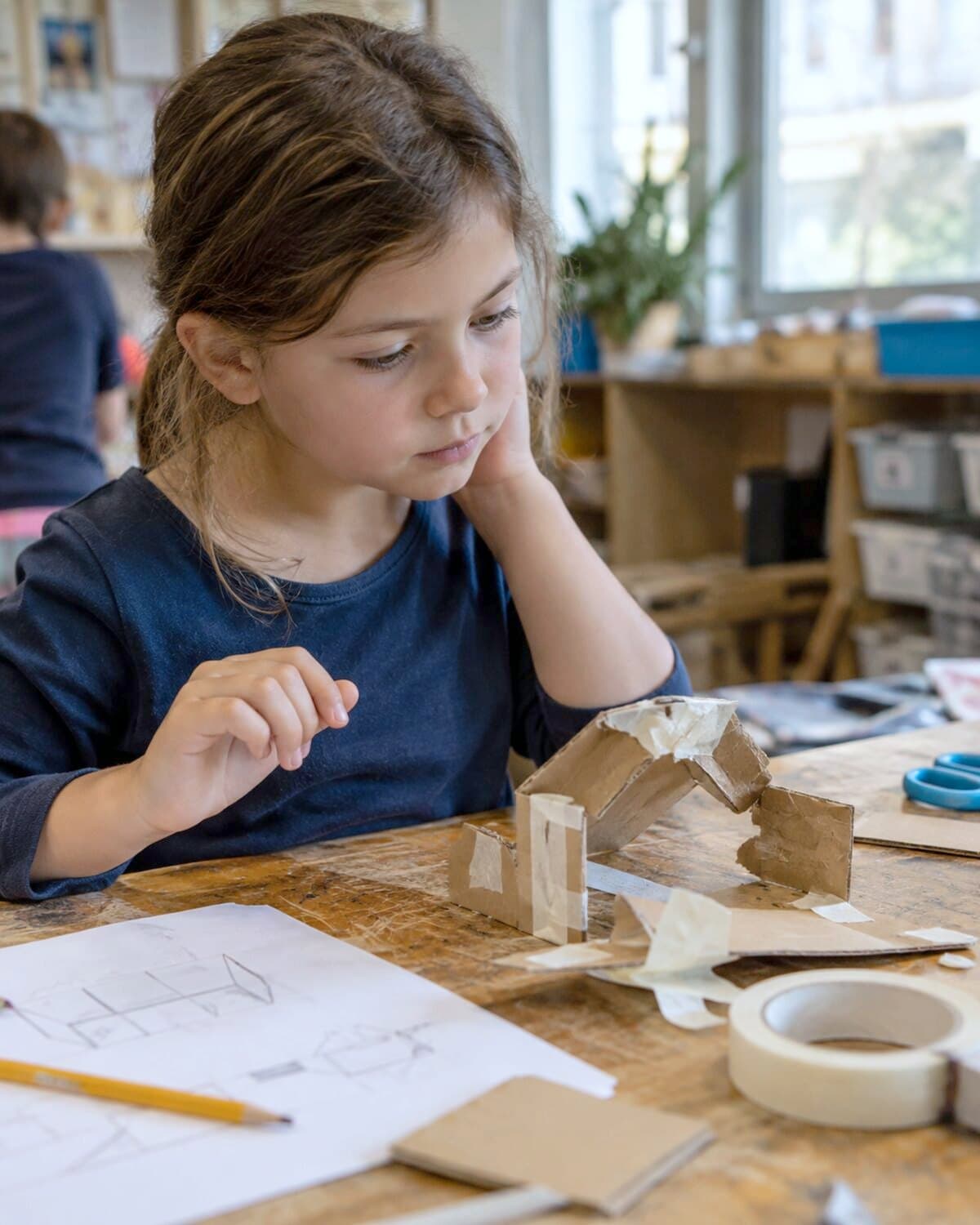
Learners still get explicit teaching in reading, writing and mathematics. STREAME is how those subjects connect: a real question, evidence, something built, and an explanation at the end that somebody can hold up against the first idea.
Begin with an application or schedule a conversation. You can ask questions and review the pathway before making a final enrollment commitment.